
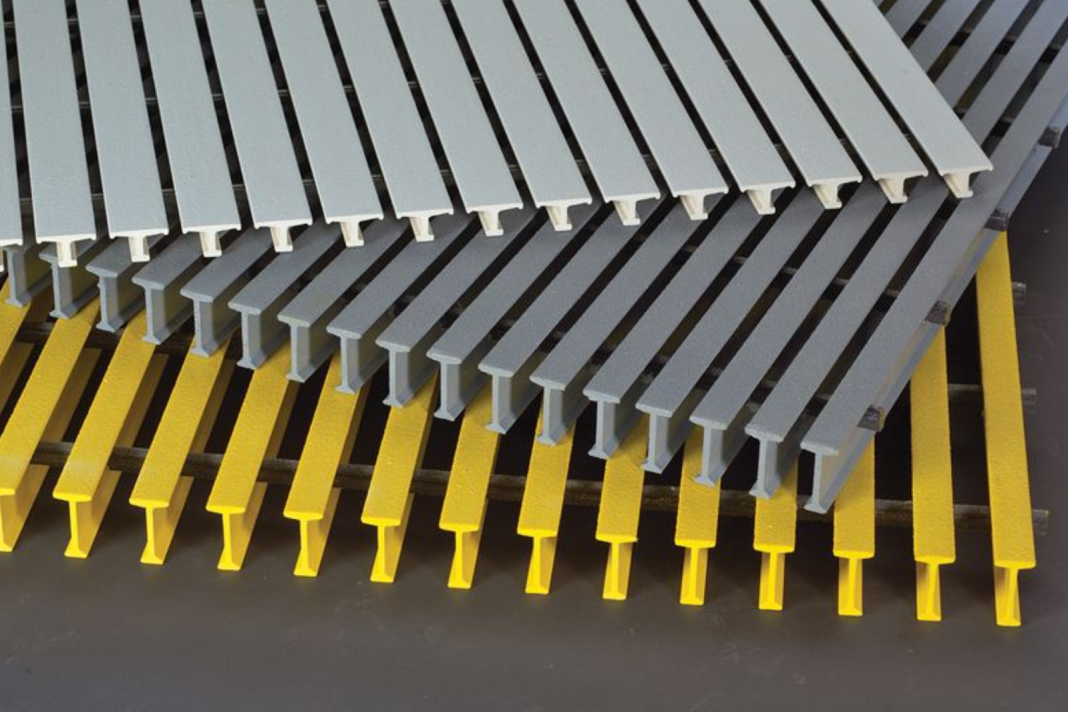

Pultruded fiberglass grating is a versatile material made from fiberglass reinforced with resin. It is widely used in many industries because of its strength, lightweight, and resistance to corrosion.
Pultrusion is a manufacturing process that shapes fiberglass into specific forms, creating strong, durable grating that can withstand harsh environments. In this article, we will explore the top five applications of pultruded fiberglass grating and how it benefits various industries.
1. Industrial Flooring
One of the most common applications of pultruded fiberglass grating is for industrial flooring. Many factories, chemical plants, and warehouses require strong flooring that can support heavy equipment and workers. Fiberglass grating is perfect for this because it is both lightweight and incredibly strong.
It can handle heavy loads without bending or breaking. Furthermore, fiberglass does not corrode, even in areas exposed to harsh chemicals or wet conditions. This makes it a long-lasting solution for industrial flooring.
2. Walkways and Platforms
Pultruded fiberglass grating is often used to create walkways and platforms in industries like oil and gas, manufacturing, and construction. These walkways provide safe and durable paths for workers to move around industrial sites.
The grating allows water and debris to flow through, preventing the accumulation of moisture and reducing the risk of slipping. Because fiberglass grating is non-conductive, it is also a safe option for areas with electrical hazards.
3. Stair Treads and Ladders
Another common use of pultruded fiberglass grating is for stair treads and ladders. These structures must be strong, slip-resistant, and durable. Fiberglass grating meets all of these requirements. The grating’s surface is designed to be slip-resistant, which helps to prevent accidents in wet or oily environments.
Additionally, the lightweight nature of fiberglass makes it easier to install and maintain compared to traditional metal treads and ladders. In places where metal could rust or corrode, fiberglass grating is a more reliable and cost-effective alternative.
4. Wastewater Treatment Facilities
Pultruded fiberglass grating is also widely used in wastewater treatment plants. These facilities often deal with harsh chemicals and corrosive environments, which can quickly damage traditional materials like metal or wood.
Fiberglass grating, however, is highly resistant to corrosion, making it an ideal choice for these facilities. It is used for catwalks, grating over tanks, and walkways that help workers safely navigate the plant. Since fiberglass does not rust, it maintains its strength and appearance for much longer.
5. Marine Applications
In marine environments, the harsh saltwater conditions can damage many types of materials. Pultruded fiberglass grating is used in the marine industry for dock systems, piers, and boat ramps because of its resistance to corrosion from saltwater. Fiberglass grating is also lightweight, which makes it easier to handle and install on docks.
Additionally, it provides a non-slip surface, which is important for safety when walking on wet surfaces. Marine engineers rely on fiberglass grating to build structures that can withstand the difficult conditions of the marine environment while remaining safe and functional for years.
Conclusion
Pultruded fiberglass grating is a highly durable, corrosion-resistant material that has a wide range of applications. Its versatility makes it a preferred choice in industries like manufacturing, construction, wastewater treatment, and marine environments.
Whether it’s for industrial flooring, walkways, stair treads, or wastewater facilities, fiberglass grating offers strength, safety, and reliability. As more industries continue to discover its many benefits, it’s clear that pultruded fiberglass grating will remain an essential material for years to come.