
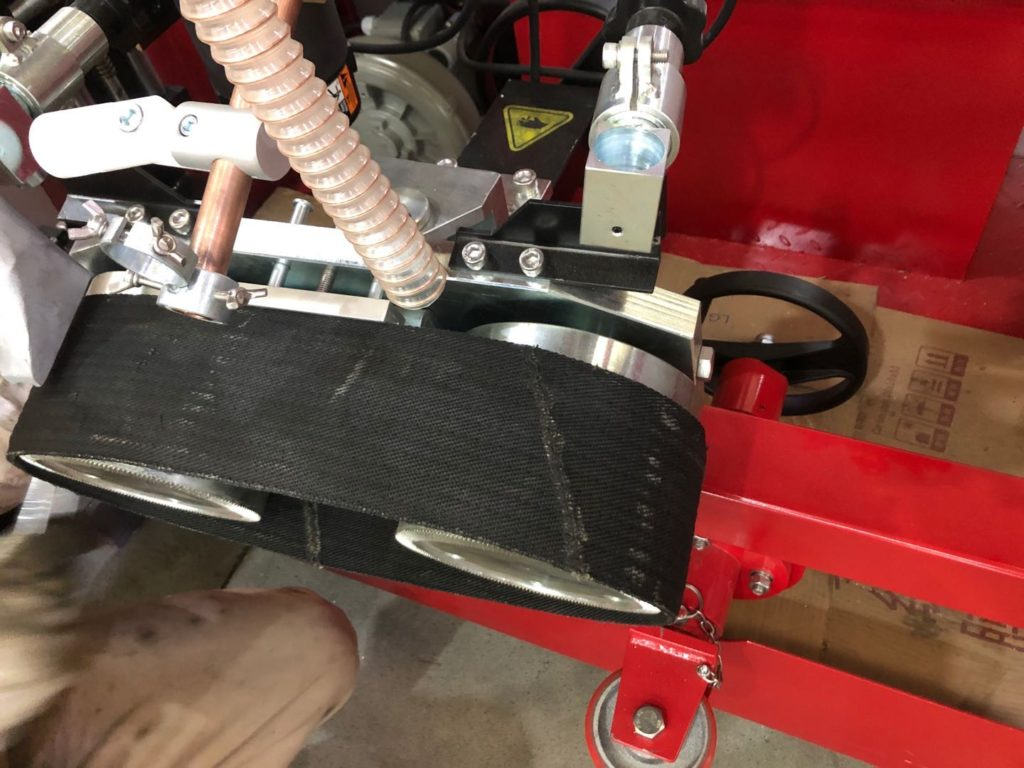

Flux belts play a big role in many industrial settings. They are used in machines that carry heavy loads, handle heat, or move materials during manufacturing. Whether you work in welding, metal treatment, or electronics production, choosing the right flux belt helps your equipment run better and last longer.
Many people don’t realize how important it is to pick the right type, size, and material. This article shares five helpful tips to make sure you choose the right flux belt for your needs.
Know the Purpose of the Belt
The first thing you should do is understand what the flux belt is going to do in your work. Not all flux belts are built the same. Some belts are made to handle high temperatures. Others are better for moving sharp or heavy objects.
Some are used in machines that operate all day long. If you know how the belt will be used, it becomes easier to pick the right one. Understanding the specific task will guide you in choosing the correct belt material and strength.
Choose the Right Material
Flux belts come in different materials like rubber, silicone, fiberglass, and Teflon-coated fabrics. Each of these has its own advantages. Rubber belts are flexible and handle wear and tear well. Fiberglass belts can resist high temperatures and keep their shape.
Teflon-coated belts are good for slippery surfaces and resist sticking. You need to think about the temperature, the weight the belt will carry, and the type of work environment. If your work area is very hot or deals with chemicals, a heat-resistant or chemical-resistant belt will perform better and last longer.
Check the Belt’s Size and Fit
Getting the correct size is just as important as picking the right material. A belt that is too loose will slip and cause delays. One that is too tight can break under pressure. You should always measure your equipment carefully before buying a belt.
It’s a good idea to check the manufacturer’s guide for the right belt size. Some belts may also need to match specific gear teeth or pulley shapes.
Look for Durability and Maintenance Needs
A good flux belt should last a long time without needing frequent repairs. But some belts wear out faster depending on how often they are used and the kind of work they do. When choosing a belt, look for one that is strong and easy to clean.
Some belts need to be oiled or adjusted often. Others are designed to work without much attention. If you want to save time and avoid equipment downtime, choose a belt that is known for reliability and low maintenance.
Ask About Support and Warranty
Before you buy a flux belt, check if the supplier or manufacturer offers customer support and warranty services. This shows that they stand behind their product. If something goes wrong, you will have help instead of facing the issue alone.
Many trusted companies provide support for installation, usage tips, and replacements. A warranty gives peace of mind, especially if the belt is expensive or used in an important part of your work process.
Conclusion
Choosing the right flux belt may seem like a small step, but it has a big impact on your work performance and safety. You need to know how the belt will be used, choose the right material, get the correct size, look for durability, and ask about support.
Taking time to make the right choice will save you money, reduce stress, and help your equipment work smoothly.